
The Best Furniture Refinishing & Restoration on the Connecticut Shoreline
Great furniture is made to last generations. The finish is not. Sun exposure, daily use, humidity, and time gradually wear down even the best original finishes — the color fades, the surface becomes dull, and the piece stops looking like what it once was. Refinishing gives that furniture a second life without changing what makes it valuable. At Simons Painting & Drywall, we approach furniture restoration with the same patience and care we bring to the most detailed interior finishes in a home. Call Simons Painting & Drywall at (860) 846-4005 to schedule your estimate.
What Furniture Refinishing Involves
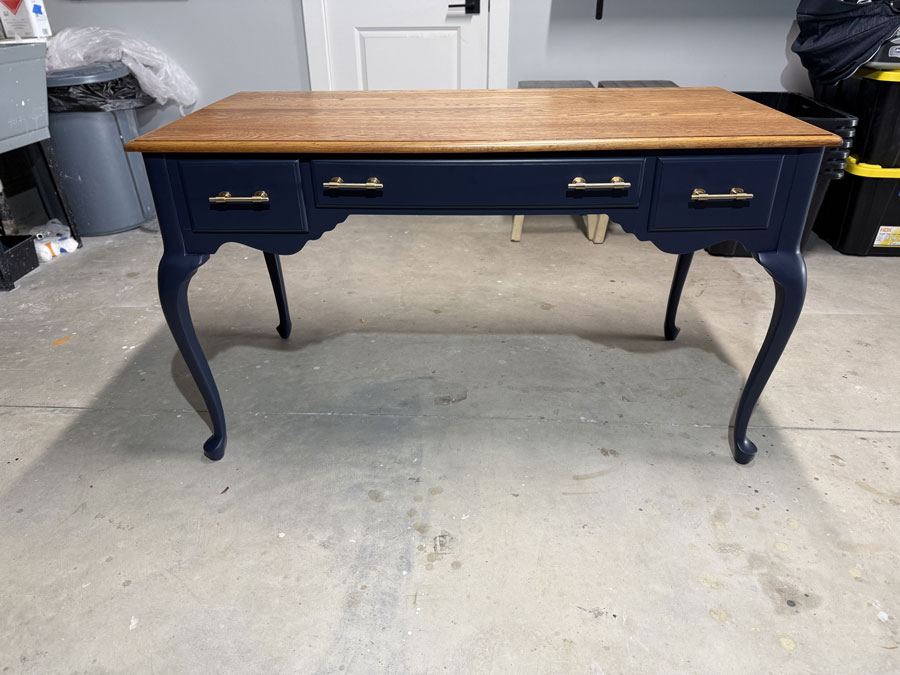
Furniture refinishing begins by assessing the existing finish — what it is, how it has failed, and what the underlying wood will need to accept a new finish properly. We strip the old finish completely, repair any damage to the surface, fill gouges or cracks in the wood, and sand the entire piece to a uniform, smooth base.
Stain goes on next if the piece will be stained, followed by a protective clearcoat in the appropriate sheen — from matte to gloss, depending on the piece and the homeowner’s preference. Painted finishes follow a similar process: stripped, primed, and finished with a hard topcoat.
Why We Treat Every Piece Individually
No two furniture pieces are the same. A solid walnut dining table absorbs stain differently from a pine dresser. An antique piece with original hand-carved details needs stripping and finishing that respects those contours rather than filling them in with heavy primer. A painted mid-century piece needs a different primer and topcoat than a raw wood side table. We assess every piece before we begin and select the process and products appropriate for what it is and what the homeowner wants it to become.
Pieces We Work With
Simons Drywall & Painting Service Areas – Connecticut Shoreline
Frequently Asked Questions About Furniture Refinishing on the Connecticut Shoreline
Is it worth refinishing an old piece of furniture rather than replacing it?
Almost always, if the piece has structural integrity, solid wood furniture — particularly antiques and heirloom pieces — is built from materials that are no longer standard in contemporary furniture. A solid walnut dresser from the 1950s, properly refinished, will outlast a comparable new piece and will look better doing it. Beyond value, pieces with personal history are irreplaceable. Refinishing costs a fraction of replacement and preserves what makes the piece meaningful.
Can you change the color of my furniture — from dark stain to a lighter or painted finish?
Yes. Color transitions are one of the most common requests we receive — particularly dark-stained oak or walnut furniture moving to painted white or gray, or painted pieces shifting to a natural stained wood look. Dark-to-light transitions require thorough stripping and priming to prevent bleed-through. Stained-to-painted transitions need proper primer adhesion. We assess the piece and advise on whether the transition is straightforward or requires additional preparation steps.
How do you handle furniture with carved details or ornate profiles?
Carved details and ornate profiles require hand work — brushing, wiping, and detailing by hand rather than spraying or rolling. The goal is to get finish into the recesses without filling in the carving with primer or paint. We use appropriately thinned products and careful technique to let the profile read correctly. Over-painting carved detail is one of the most common and permanent mistakes in furniture refinishing — we take pains to avoid it.
Can you refinish outdoor furniture for a Connecticut Shoreline home?
Yes, with products selected for exterior use and coastal exposure. Outdoor furniture on the Connecticut Shoreline needs UV-resistant finishes, moisture-tolerant topcoats, and products that allow the wood to breathe rather than sealing moisture in. Teak, mahogany, and cedar outdoor furniture each have specific product requirements. We assess the wood species and the exposure conditions before recommending a finishing approach.
How long does furniture refinishing take?
A single small to medium piece — a dresser, side table, or set of dining chairs — typically takes three to five days from drop-off to completion, accounting for stripping, repair, drying, and finishing coats. Larger pieces or full dining sets take longer. We provide a timeline at the assessment and communicate if anything changes during the work.
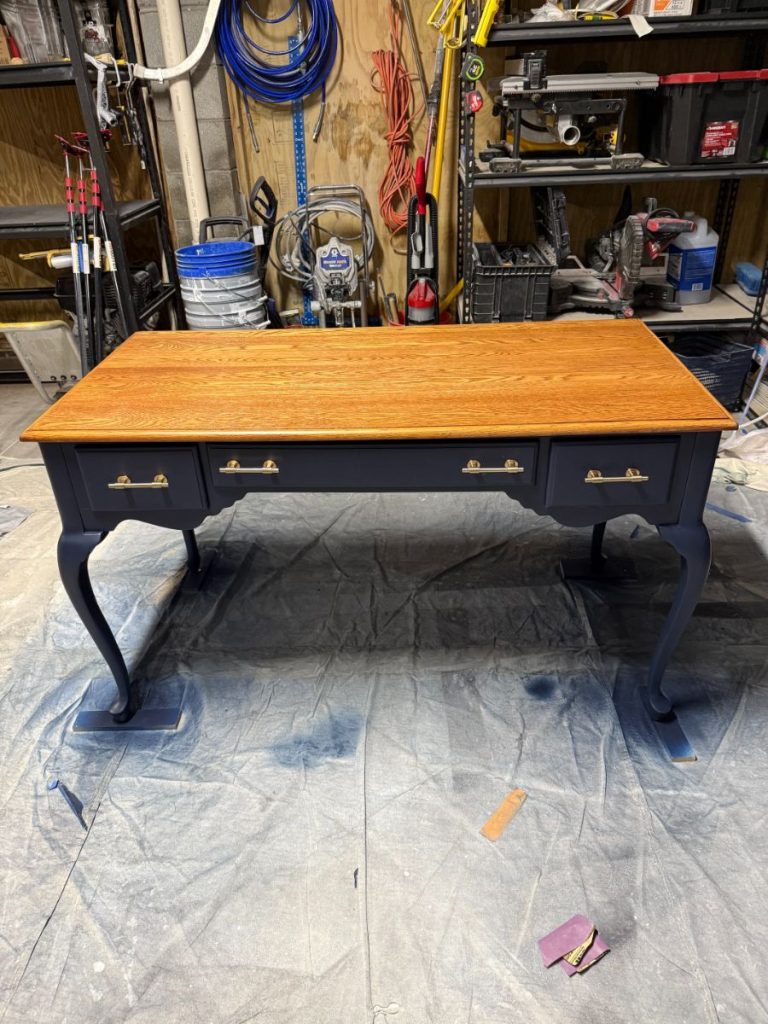
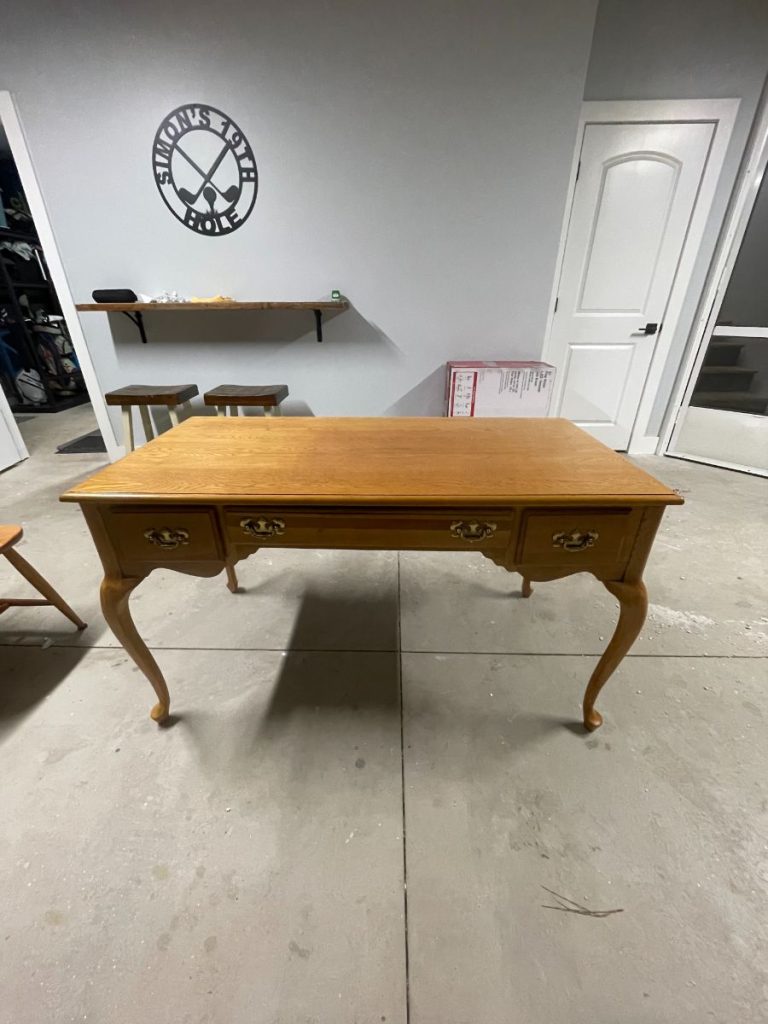
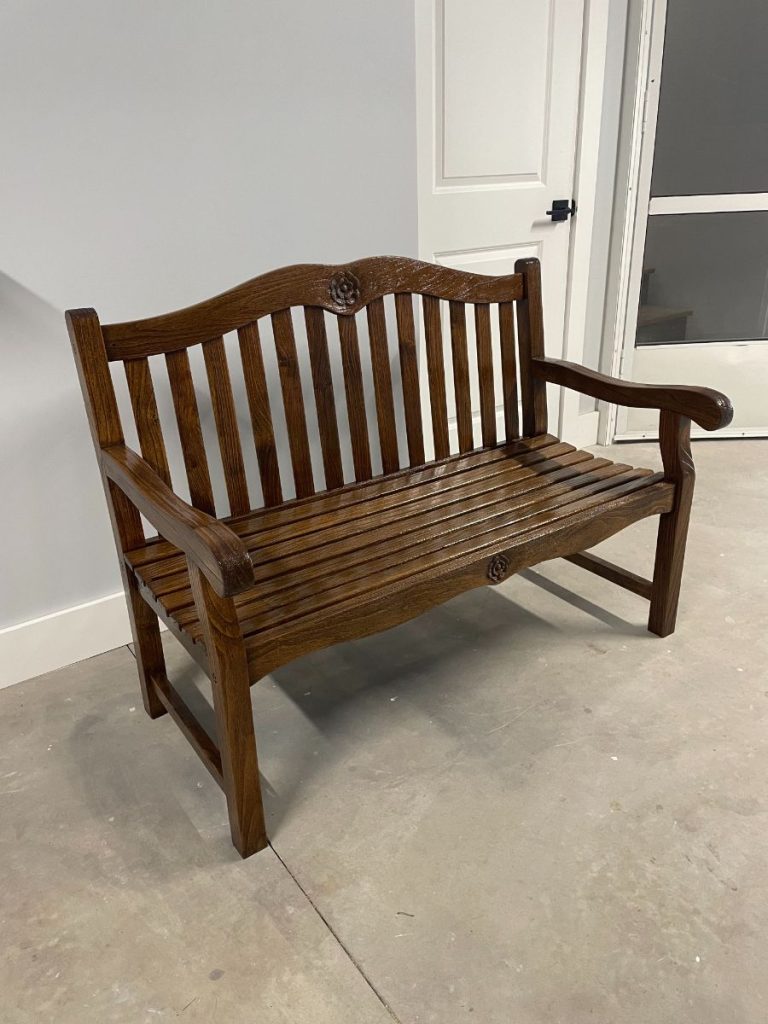
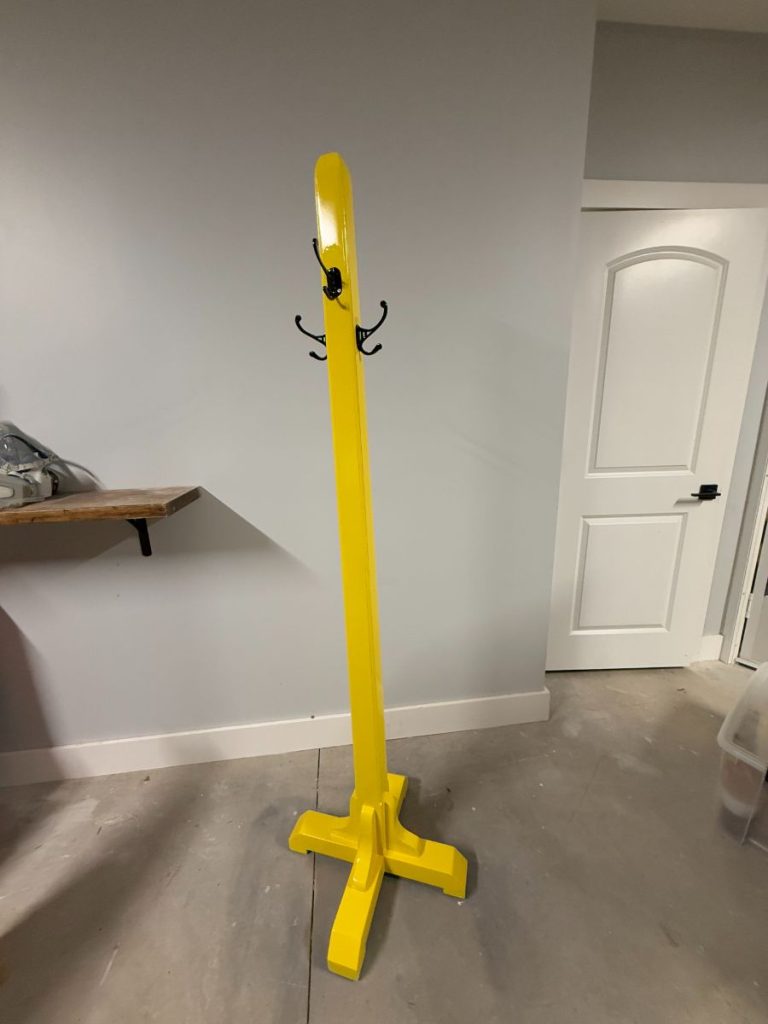
Recent Furniture Refinishing Projects Across Connecticut Shoreline
Ready to Bring Timeless Beauty to Your Home?
Tell us a bit about your project, and we’ll get back to you promptly to schedule an estimate.