
The Best Exterior House Painters on the Connecticut Shoreline
On the Connecticut Shoreline, exterior paint is not a cosmetic decision — it is the primary barrier between your home’s structure and an environment that is actively hostile to it year-round. Salt air penetrates. UV from open-water reflection breaks down coatings faster than inland conditions. Humidity cycles through wood, expanding and contracting finishes until they fail. Getting exterior painting right on a coastal home means understanding those forces, not just knowing how to apply paint. Call Simons Painting & Drywall at (860) 846-4005 to schedule your estimate.
Coastal Exterior Painting Is a Different Discipline
Standard residential exterior paint systems were not designed for marine-adjacent conditions. On Connecticut Shoreline homes — particularly those within a half-mile of Niantic Bay, the Thames River, Long Island Sound, or tidal inlets — paint fails faster, moisture intrusion starts at trim joints and window sills, and surfaces that face south or west toward the water break down first.
Our approach starts with understanding the exposure profile of each elevation before selecting products or beginning prep.
Preparation Is Most of the Work
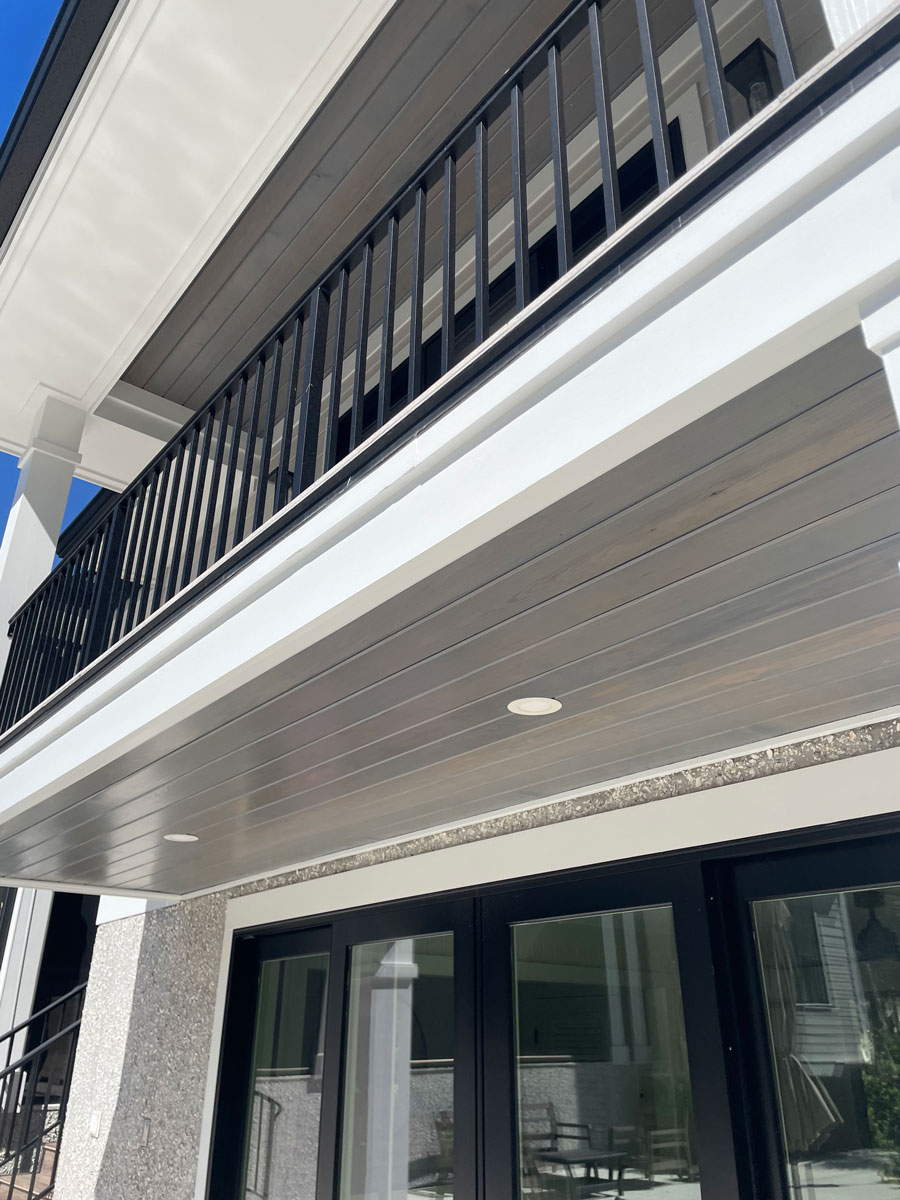
Exterior prep on a coastal home includes power washing, hand sanding damaged or chalking surfaces, spot priming bare wood, caulking all penetrations and trim joints, and replacing any sections of trim or siding that are too deteriorated to hold paint. On homes where previous painters skipped these steps, we often spend more time correcting what was done before than on the painting itself. That work is what makes the difference between a finish that lasts two seasons and one that lasts a decade.
What We Paint
Simons Drywall & Painting Service Areas – Connecticut Shoreline
Frequently Asked Questions About Exterior Painting on the Connecticut Shoreline
When is the right time of year to paint the exterior of a Connecticut Shoreline home?
Late spring through early fall is ideal — temperatures between 50°F and 85°F with low humidity give paint the best conditions to cure properly. We avoid painting in direct afternoon sun, which can cause paint to dry too quickly and affect adhesion, and we never paint when temperatures will drop below 50°F within 24 hours of application.
How long does exterior paint last on a Connecticut Shoreline home?
With proper prep and the right product system, 8-12 years is a reasonable expectation for most surfaces. Homes with direct waterfront exposure — particularly those facing open water or tidal areas — should expect closer to 7-8 years on the most exposed elevations. The prep quality is the single biggest determinant of longevity, not the paint brand.
Do you do any carpentry or wood repair before painting?
Yes. Deteriorated trim, soft fascia, and damaged siding sections need to be replaced or repaired before paint goes on — painting over compromised wood produces immediate failure. We identify and address wood damage as part of the prep process, or refer to a trusted carpenter for more structural repairs.
How do you handle exterior painting on a home with cedar siding?
Cedar requires a penetrating primer rather than a film-forming one — cedar’s natural oils can bleed through and cause adhesion failures with the wrong primer. We prep cedar specifically: cleaning, checking for mildew, sanding raised grain, priming with a cedar-compatible product, and finishing with a high-quality acrylic topcoat rated for coastal exposure.
What causes exterior paint to peel on only one side of a Connecticut Shoreline home?
Directional peeling is almost always an exposure problem. South- and west-facing walls take the most UV and heat load. North-facing walls stay damp longest after rain. Walls facing water get direct salt air. Each elevation has a different failure mechanism, which is why we assess each side of the home separately rather than applying a single approach.
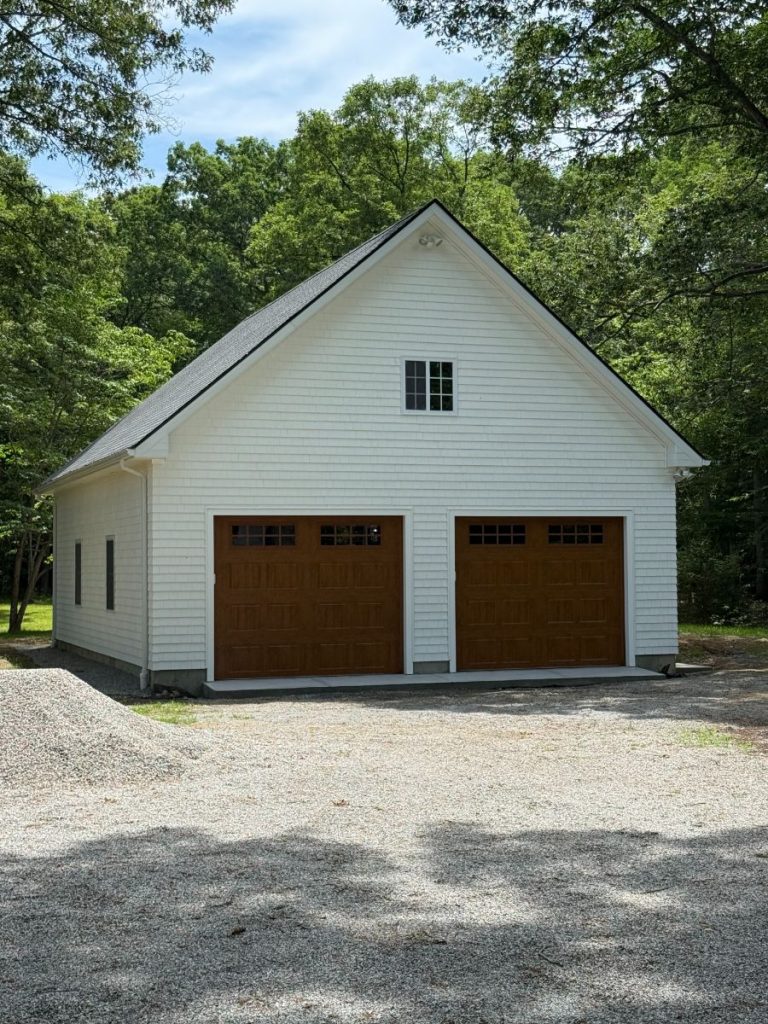
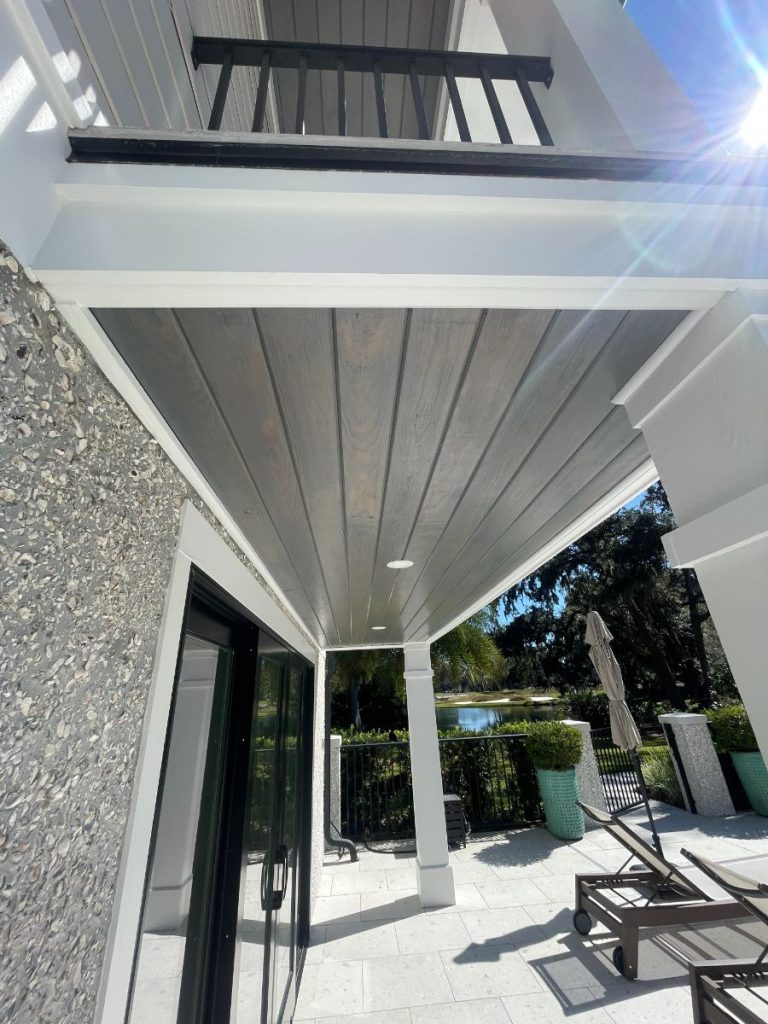
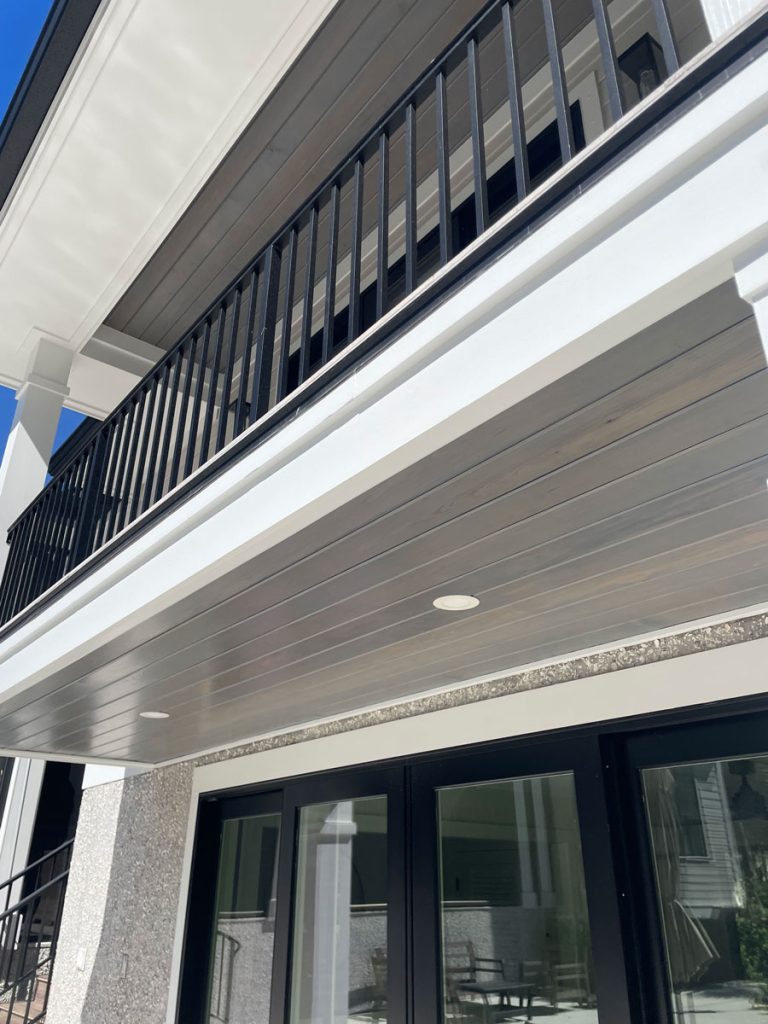
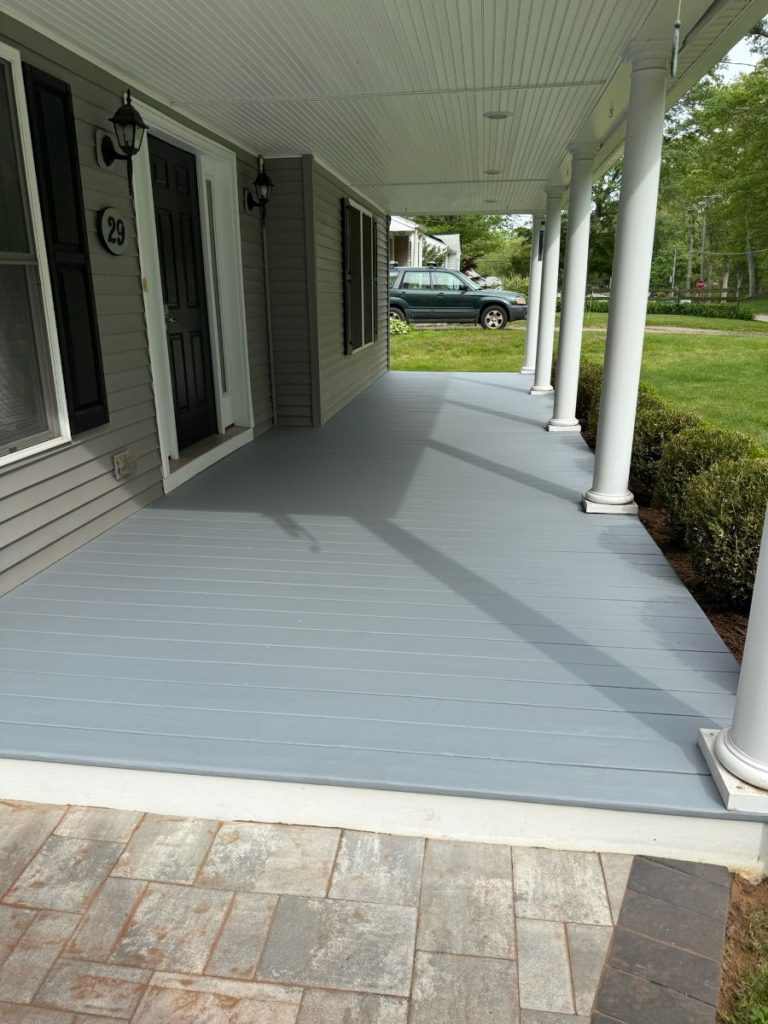
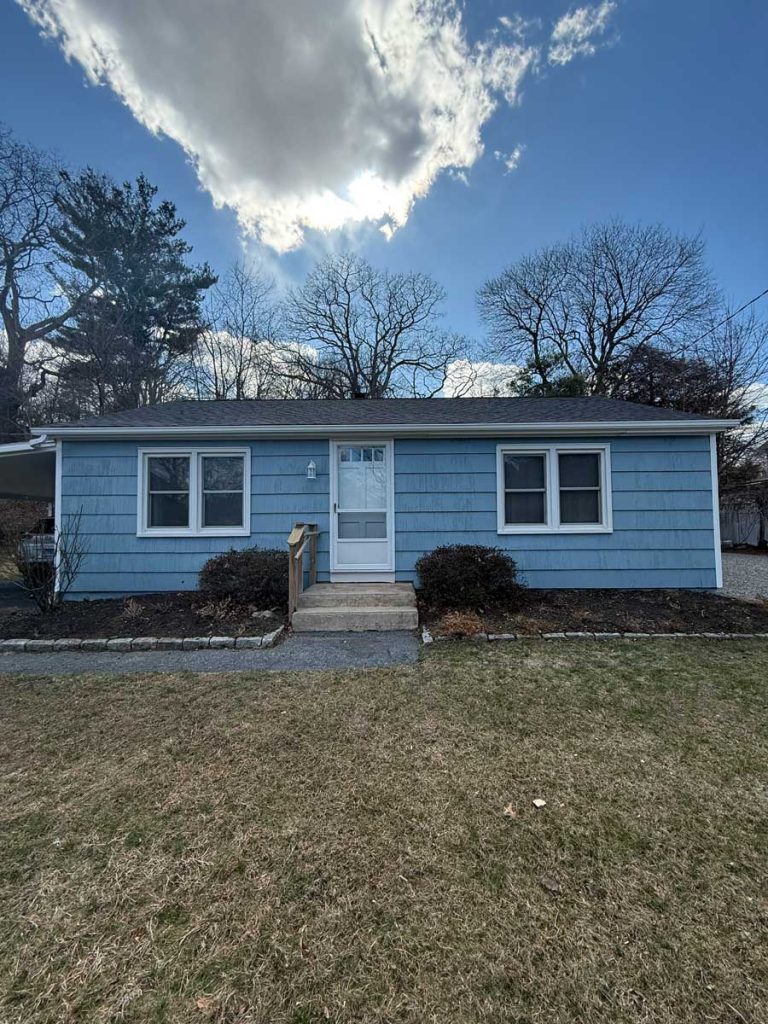
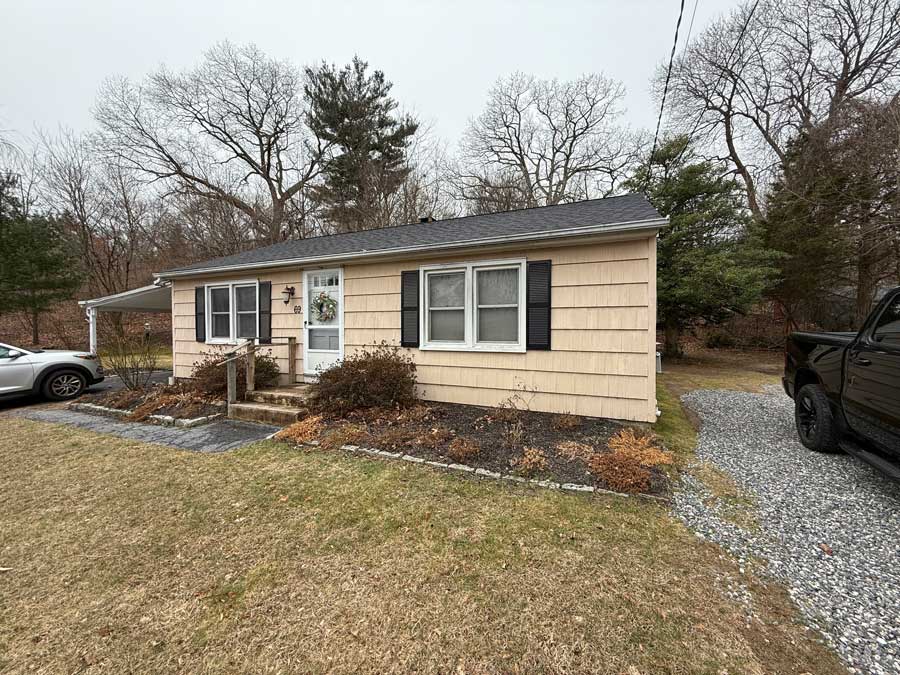
Recent Exterior Painting Projects Across Connecticut Shoreline
Ready to Bring Timeless Beauty to Your Home?
Tell us a bit about your project, and we’ll get back to you promptly to schedule an estimate.